The Important Process of Sealing and Injecting Hairline to Full Depth Concrete Cracks
Concrete cracks are a common issue in infrastructure, especially in roadways, bridges, and other critical structures. These cracks, if left untreated, can lead to serious damage, safety hazards, and costly repairs. Understanding the process of sealing and injecting hairline to full depth concrete cracks is essential for maintaining the integrity and longevity of concrete surfaces.
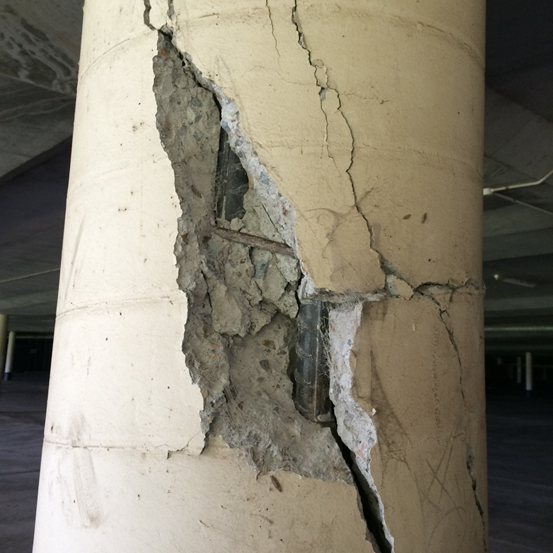
Concrete cracks vary in size and depth. Hairline cracks are very thin and often appear on the surface, while full depth cracks extend through the entire thickness of the concrete. Both types require different approaches for repair, but the goal remains the same: to restore strength, prevent water intrusion, and stop further deterioration.
Why Sealing and Injecting Concrete Cracks Matters
Concrete is a durable material, but it is not immune to environmental stress, temperature changes, and load pressures. Cracks allow water, chemicals, and debris to enter the concrete, which can cause corrosion of reinforcement bars, freeze-thaw damage, and weakening of the structure.
Sealing cracks prevents water and contaminants from penetrating the surface. Injection goes a step further by filling the entire crack depth with a bonding material, restoring structural integrity. This process extends the life of the concrete and reduces the need for expensive replacements.
Municipalities, counties, and transportation departments often face challenges with aging infrastructure. Timely crack repair helps maintain safe and operational roadways, which is critical for public safety and efficient transportation.
The Process of Sealing and Injecting Concrete Cracks
The repair process involves several key steps to ensure effectiveness:
1. Inspection and Assessment
Before any repair, a thorough inspection identifies the type, size, and depth of cracks. This helps determine whether sealing alone is sufficient or if injection is necessary.
2. Cleaning the Crack
Removing dirt, debris, and loose particles from the crack is essential. This step ensures proper adhesion of sealants or injection materials.
3. Sealing Surface Cracks
For hairline cracks, surface sealing with a flexible sealant can prevent water entry. This is often the first line of defense and is less invasive.
4. Injection for Full Depth Cracks
When cracks extend through the concrete, injection with epoxy or polyurethane resins fills the entire crack. This restores strength and bonds the concrete back together.
5. Curing and Finishing
After injection, the material cures to form a solid bond. The surface may be smoothed or coated for protection.
Recommended Products for Crack Repair
Using the right products is crucial for successful crack repair. Two products stand out for their effectiveness in sealing and injecting concrete cracks:
Epoxy Injection Resin
This product is designed to penetrate deep cracks and bond concrete surfaces. It provides high strength and durability, ideal for structural repairs. Epoxy resins cure quickly and resist chemicals and moisture.
Polyurethane Crack Sealant
Polyurethane sealants are flexible and waterproof, making them perfect for sealing hairline cracks. They accommodate slight movements in the concrete and prevent water infiltration. This sealant is easy to apply and cures to a durable finish.
Both products serve different purposes but can be used together for comprehensive crack repair. For example, a hairline crack can be sealed with polyurethane, and if the crack worsens, epoxy injection can be applied to restore full depth.

Benefits of Proper Crack Repair
Repairing concrete cracks properly offers several benefits:
Prevents Water Damage
Sealing cracks stops water from entering and causing freeze-thaw damage or corrosion.
Restores Structural Strength
Injection materials bond the concrete, restoring its load-bearing capacity.
Extends Service Life
Timely repairs delay the need for costly replacements or major rehabilitation.
Improves Safety
Well-maintained concrete surfaces reduce hazards for vehicles and pedestrians.
Cost-Effective Maintenance
Crack repair is less expensive than full concrete replacement and reduces downtime.
Practical Tips for Effective Crack Repair
When managing crack repairs, consider these practical tips:
Address cracks early before they widen or deepen.
Use appropriate products based on crack size and depth.
Ensure proper surface preparation for better adhesion.
Follow manufacturer instructions for mixing and application.
Monitor repaired areas regularly for signs of new damage.
How Field & Frameworks LLC Supports Infrastructure Maintenance
Field & Frameworks LLC offers expert services in concrete crack repair, including patching or sealing and injection. Our team uses proven products like epoxy injection resin and polyurethane sealants to deliver durable repairs. We understand the unique challenges faced by infrastructure stakeholders and provide solutions that meet safety and compliance standards.
Our approach focuses on thorough inspection, quality materials, and skilled application to ensure long-lasting results. This commitment helps keep roadways and related systems safe and operational for communities and clients.

If you manage concrete infrastructure, consider prioritizing crack repair as part of your maintenance plan. Early action can save money and improve safety. For reliable repair services and expert guidance, Field & Frameworks LLC provides trusted support tailored to your needs.
Taking care of concrete cracks today means safer, stronger infrastructure tomorrow.


Comments