Optimizing Roadway Drainage Systems for Better Performance: Essential Roadway Maintenance Solutions
Proper drainage is a critical component of any roadway infrastructure. Without effective drainage, roads can suffer from water accumulation, leading to pavement damage, safety hazards, and costly repairs. Over time, poorly maintained drainage systems can undermine the structural integrity of roadways, causing potholes, erosion, and even flooding. To ensure roads remain safe and functional, it is essential to optimize drainage systems through thoughtful design, regular maintenance, and timely upgrades.
In this post, I will share practical insights and actionable recommendations to help you improve the performance of roadway drainage systems. These strategies are designed to support municipalities, counties, DOT districts, HOAs, developers, and private communities in maintaining safe and compliant roadways.
Understanding the Importance of Roadway Maintenance Solutions
Effective roadway maintenance solutions go beyond just fixing potholes or repaving surfaces. They include managing water flow to prevent damage and extend the lifespan of the road. Water is one of the most destructive forces for pavement. When water infiltrates the road base or remains pooled on the surface, it accelerates deterioration.
To optimize drainage, it is important to:
Identify problem areas where water tends to accumulate.
Inspect drainage components such as culverts, ditches, and storm drains regularly.
Clear debris and sediment that block water flow.
Upgrade or redesign drainage features when necessary to handle increased runoff.
By focusing on these maintenance solutions, you can reduce repair costs and improve road safety. For example, replacing clogged stormwater grates with larger or more efficient models can prevent surface flooding during heavy rains. Similarly, reshaping roadside ditches to promote better water flow can reduce erosion and sediment buildup.
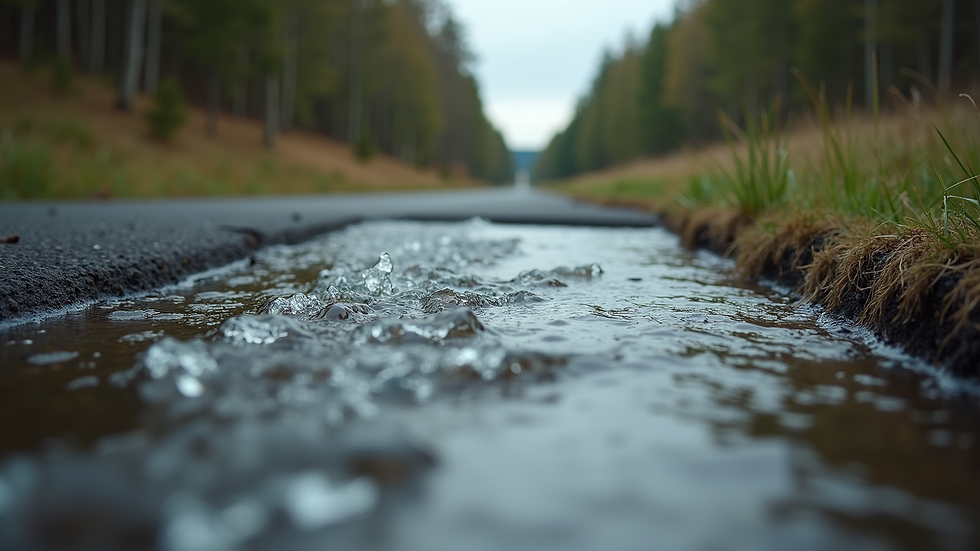
Key Strategies for Optimizing Roadway Drainage Systems
Optimizing drainage requires a combination of design, maintenance, and monitoring. Here are some key strategies to consider:
1. Regular Inspection and Cleaning
Routine inspections help identify blockages, sediment buildup, and structural damage early. Cleaning storm drains, culverts, and ditches removes debris that can obstruct water flow. Scheduling inspections before and after rainy seasons ensures systems are ready to handle runoff.
2. Use of Permeable Pavements
Permeable pavements allow water to infiltrate through the surface, reducing runoff volume. This approach can be especially useful in parking lots, sidewalks, and low-traffic roads. It helps recharge groundwater and reduces the burden on drainage infrastructure.
3. Proper Grading and Sloping
Road surfaces and adjacent areas should be graded to direct water away from the pavement and into drainage channels. Even slight adjustments in slope can significantly improve water runoff and prevent pooling.
4. Installation of Retention and Detention Basins
These basins temporarily hold stormwater and release it slowly, reducing peak flow rates and preventing downstream flooding. They also help filter pollutants before water enters natural waterways.
5. Vegetative Swales and Buffer Strips
Planting grass or other vegetation in swales slows water flow, promotes infiltration, and traps sediment. Buffer strips along road edges can filter runoff and protect adjacent land.
6. Upgrading Drainage Infrastructure
In areas with increased development or changing weather patterns, existing drainage systems may become inadequate. Upgrading pipes, culverts, and stormwater facilities ensures they can handle current and future demands.
What are the Different Types of Road Drains?
Understanding the types of road drains available helps in selecting the right solution for specific drainage challenges. Here are some common types:
1. Surface Drains
These drains collect water from the road surface and direct it into the drainage system. Examples include:
Grated Inlets: Metal or concrete grates that cover catch basins.
Slot Drains: Narrow openings along the pavement edge that capture runoff.
2. Subsurface Drains
Installed below the pavement, these drains remove water from the road base and subgrade to prevent weakening. Examples include:
French Drains: Trenches filled with gravel and perforated pipes.
Drainage Pipes: Perforated pipes that collect and convey water away.
3. Culverts
Culverts allow water to pass beneath roads, driveways, or embankments. They can be made of concrete, metal, or plastic and vary in size depending on flow requirements.
4. Ditches and Swales
Open channels alongside roads that convey water away from the pavement. They are often vegetated to reduce erosion.
5. Catch Basins
Structures that collect surface water and sediment, preventing debris from entering the drainage pipes.
Selecting the appropriate type depends on factors such as road design, traffic volume, soil conditions, and rainfall patterns.

Practical Recommendations for Maintaining Effective Drainage
Maintaining drainage systems is an ongoing task that requires attention to detail and proactive management. Here are some practical recommendations:
Develop a Maintenance Schedule: Establish regular inspection and cleaning intervals based on local weather and traffic conditions.
Train Maintenance Staff: Ensure crews understand drainage system components and proper cleaning techniques.
Use Technology: Employ cameras and sensors to inspect underground pipes and detect blockages without excavation.
Document and Map Drainage Assets: Maintain accurate records of drainage infrastructure locations and conditions to plan repairs and upgrades efficiently.
Coordinate with Other Infrastructure Projects: When repaving or upgrading roads, integrate drainage improvements to avoid future problems.
Engage in Community Education: Inform residents and property owners about the importance of keeping drains clear of litter and debris.
By following these steps, you can extend the life of drainage systems and reduce emergency repairs.
The Role of Sustainable Practices in Roadway Drainage
Sustainability is becoming increasingly important in infrastructure management. Incorporating sustainable practices into drainage design and maintenance can provide environmental and economic benefits.
Green Infrastructure: Techniques such as rain gardens, bioswales, and permeable pavements reduce runoff and improve water quality.
Water Quality Treatment: Installing sediment traps and filtration systems helps remove pollutants before water enters natural bodies.
Climate Resilience: Designing drainage systems to handle more intense and frequent storms protects roadways from damage caused by climate change.
Implementing these practices supports long-term roadway performance and environmental stewardship.
Moving Forward with Confidence in Roadway Maintenance
Optimizing drainage is a vital part of comprehensive roadway maintenance solutions. By understanding the components, applying best practices, and embracing sustainable methods, you can ensure roads remain safe, durable, and compliant with regulations.
If you want to learn more about how to improve your roadway drainage systems and infrastructure maintenance, consider partnering with experts who specialize in tailored solutions for your region. Taking proactive steps today will save time, money, and resources in the future.
Remember, well-maintained drainage is the foundation of resilient roadways. Start optimizing your systems now for better performance tomorrow.


Comments